 ';
zoom
';
zoom



Whether you need to design a new school, assess the impact of an upgraded highway or solve a noise dispute, BKL’s professional team of acoustical consultants has the experience and tools to provide a wide range of acoustical, noise and vibration services. We work alongside our clients, listen to their challenges and engineer quality solutions to almost any acoustical problem.
BUILDING ACOUSTICS DESIGN SERVICES
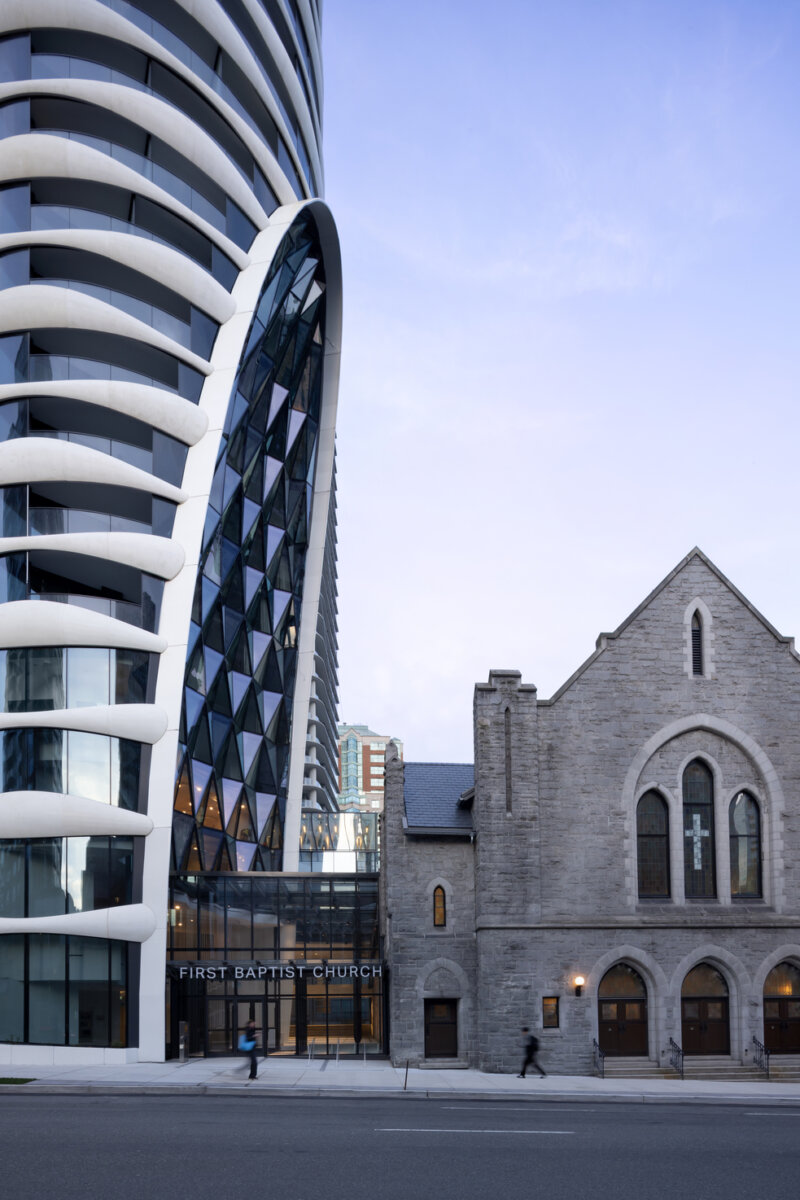
Within a building envelope, good acoustical design considers the cumulative effects of factors such as interior geometry, surface treatments, wall constructions and noise from building systems. BKL has experience working with owners, developers and architects on acoustical design projects for all kinds of buildings.
Learn MoreENVIRONMENTAL NOISE AND VIBRATION ASSESSMENT
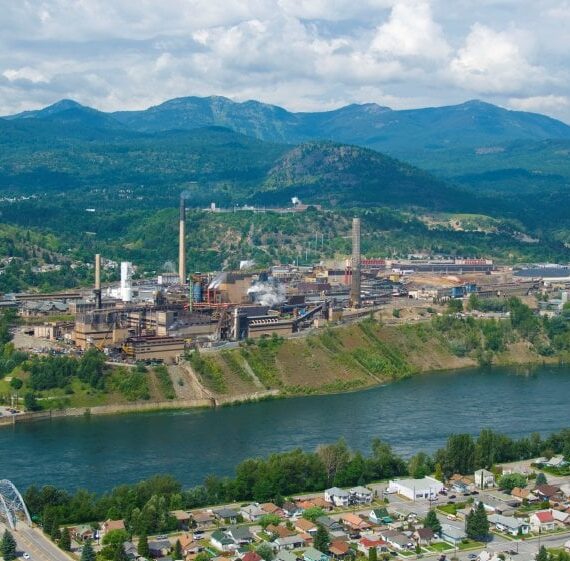
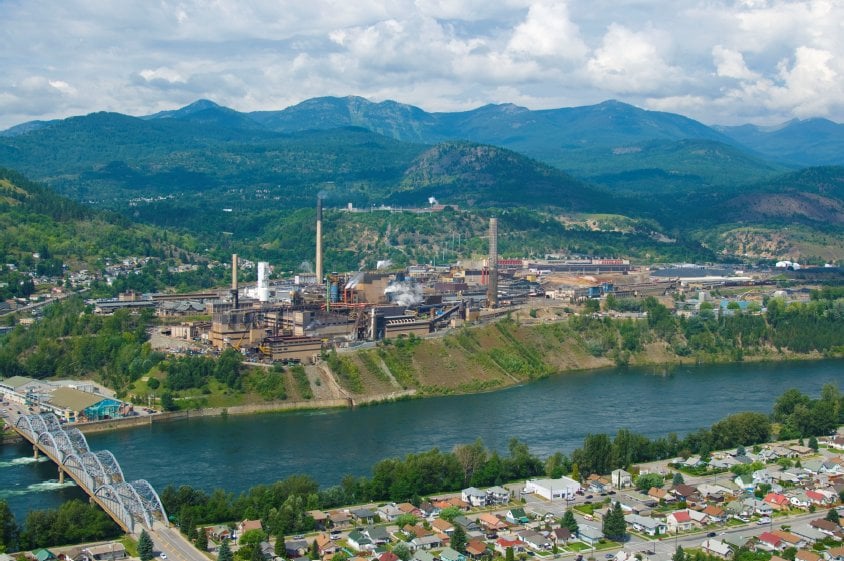
Assessing noise and vibration requires an understanding of land use, receptors, the existing environment, how sound and vibration propagates, practical mitigation and management options, and effective ways to communicate with the public and stakeholders. BKL’s team can offer insights into how noise and vibration can cause annoyance, sleep disturbance, interference with speech communication, rattling, wildlife habitat loss, structural damage, etc.
Learn MoreNOISE AND VIBRATION CONTROL
Whether reducing noise and vibration from mechanical and electrical equipment, from road traffic, or from your neighbour, BKL has the expertise, instrumentation and software to develop noise and vibration control solutions for almost any situation.
Learn MoreSOUND AND VIBRATION MEASUREMENTS
BKL provides architectural, environmental, industrial and occupational noise and vibration measurements to internationally recognized standards and qualifications, from baseline to commissioning. We can measure footfall noise, sound leakage, reverberation time and much more.
Learn MoreSOUND AND VIBRATION PREDICTIONS
BKL uses specialized acoustics-related software and in-house tools to help make realistic sound and vibration predictions. These programs provide graphics and auralizations that help us clearly and accurately communicate our technical observations with the public.
Learn MoreWESTERN CANADA’S PREMIER ACOUSTICAL CONSULTING FIRM
200
Collective Years Of Experience
20
Acoustical Consultants
4500
Clients Served
10000
Completed Projects
LATEST PROJECTS
';
zoom
 ';
zoom
';
zoom
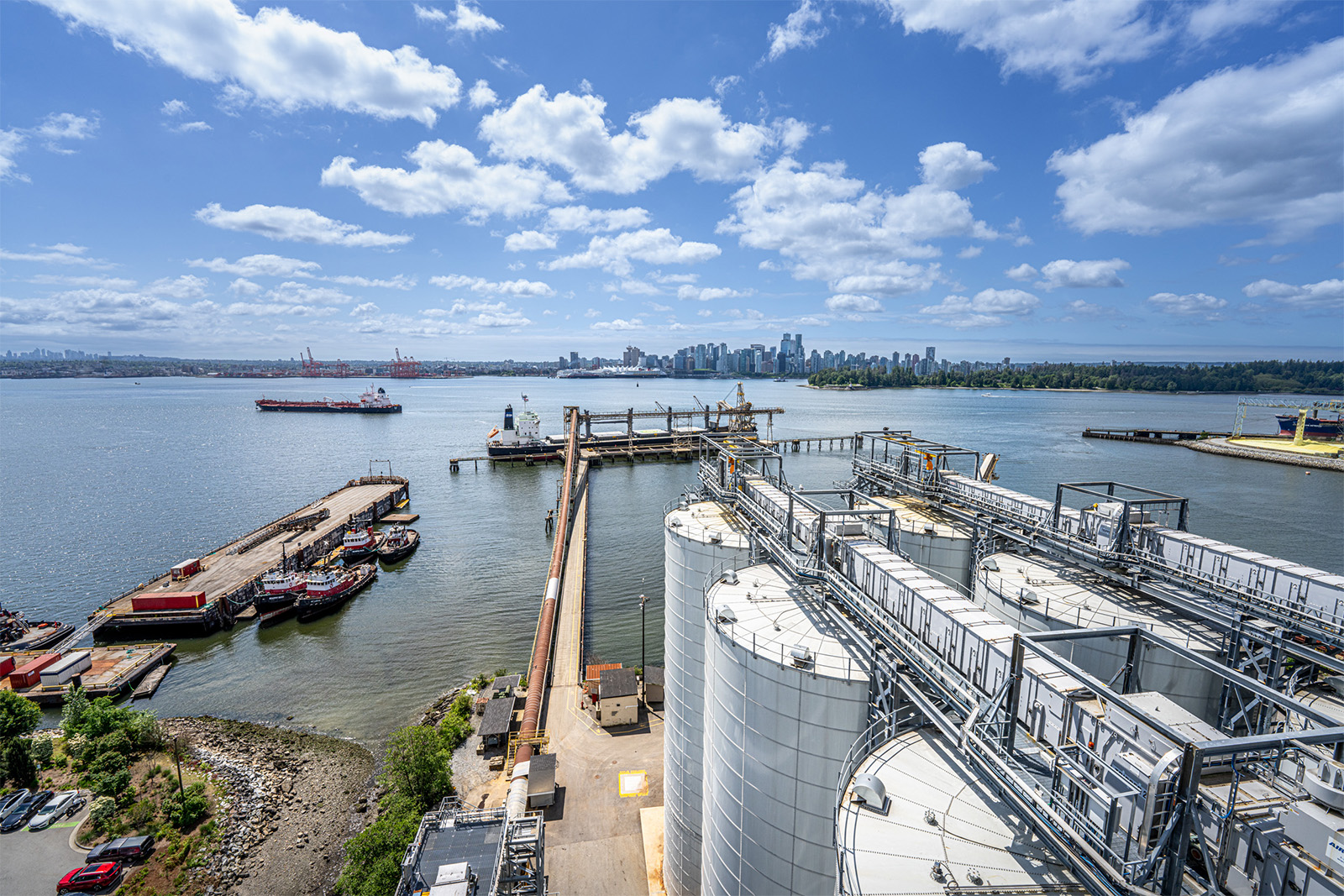
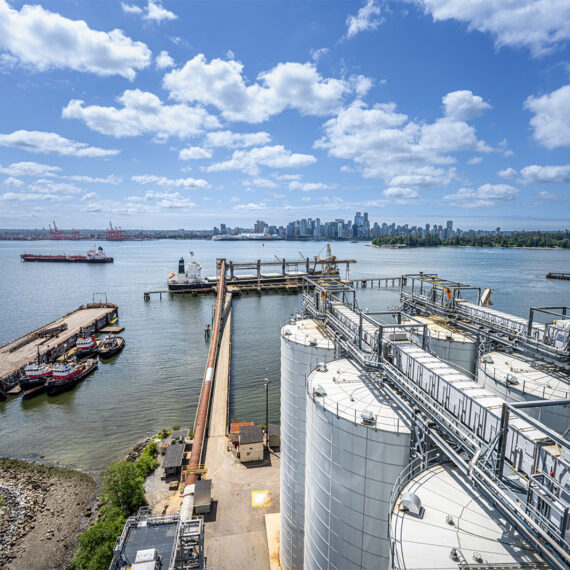
Case Study: Fibreco Redevelopment Project
Case Studies, Ports & Marine ';
zoom
';
zoom

Case Study: Stuart Lake Hospital Replacement
Case Studies, Healthcare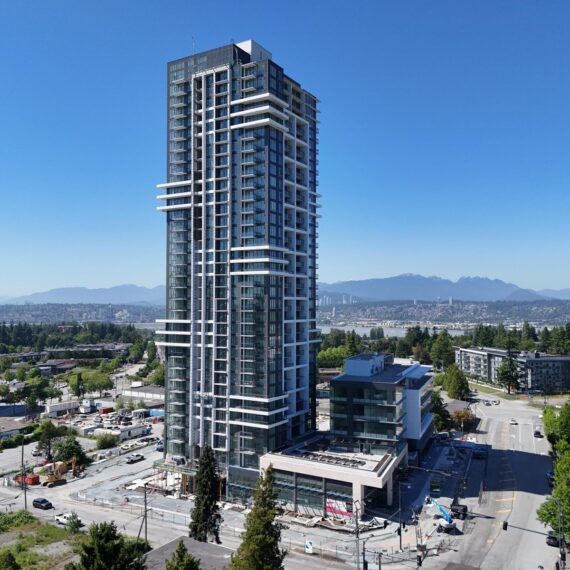 ';
zoom
';
zoom
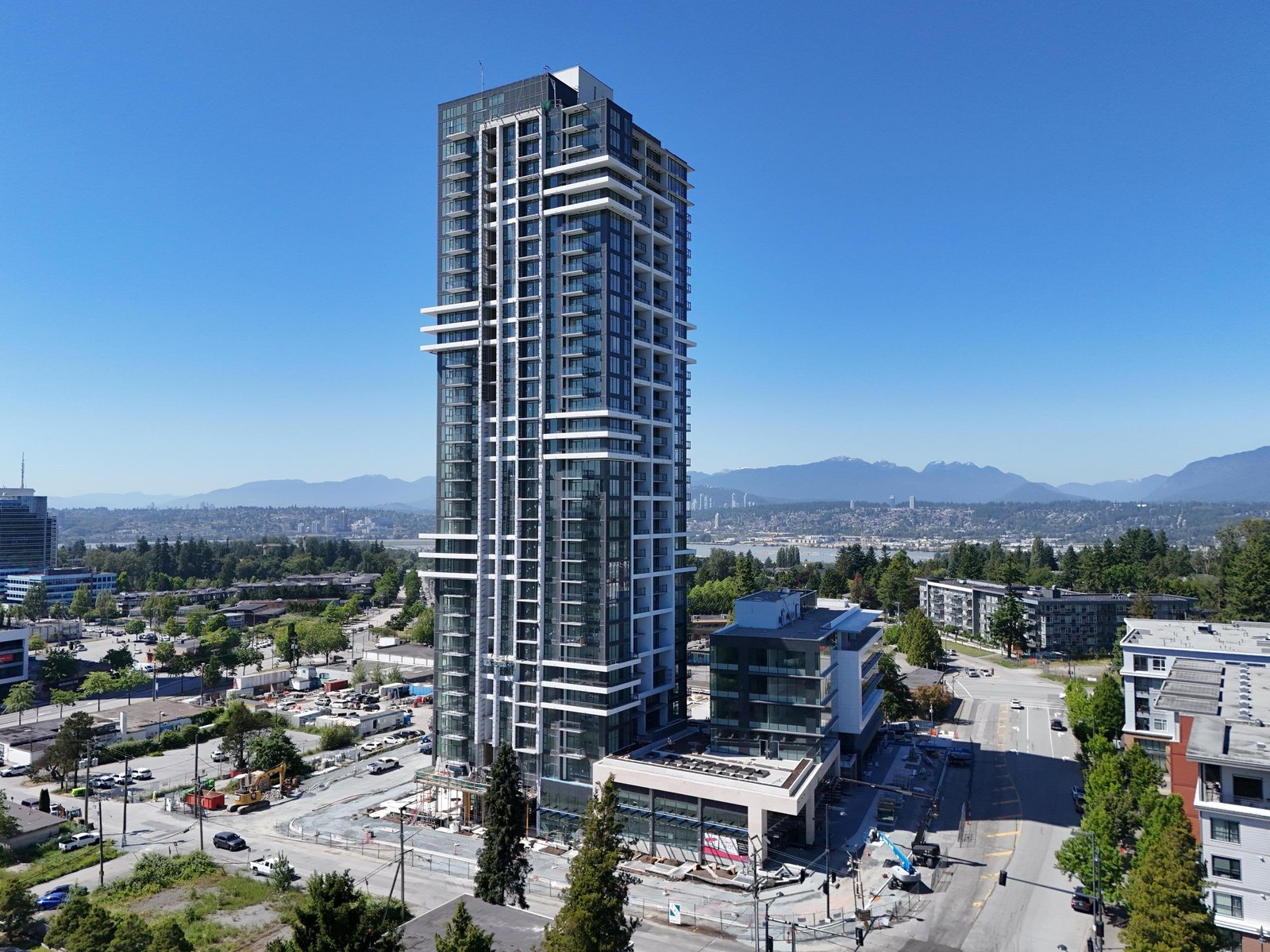
Case Study: Flamingo One, Surrey, BC
Case Studies, Residential & Mixed-Use ';
zoom
';
zoom